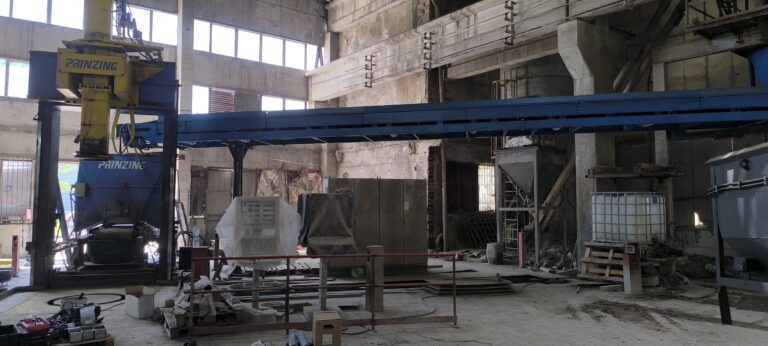
The conveying machines in a plant – screw conveyors, chain conveyors, bucket elevators, belt conveyors – wear out. The question is not whether a repair will be needed, but when: at a convenient, planned time or at the most inconvenient one, during operation. Here is an example calculation of what the two approaches look like over one year.
1. What planned maintenance includes
- Regular inspection: noise, vibration, bearing temperature, motor current, material leaks.
- Lubricating the bearings and checking the oil in the gearboxes.
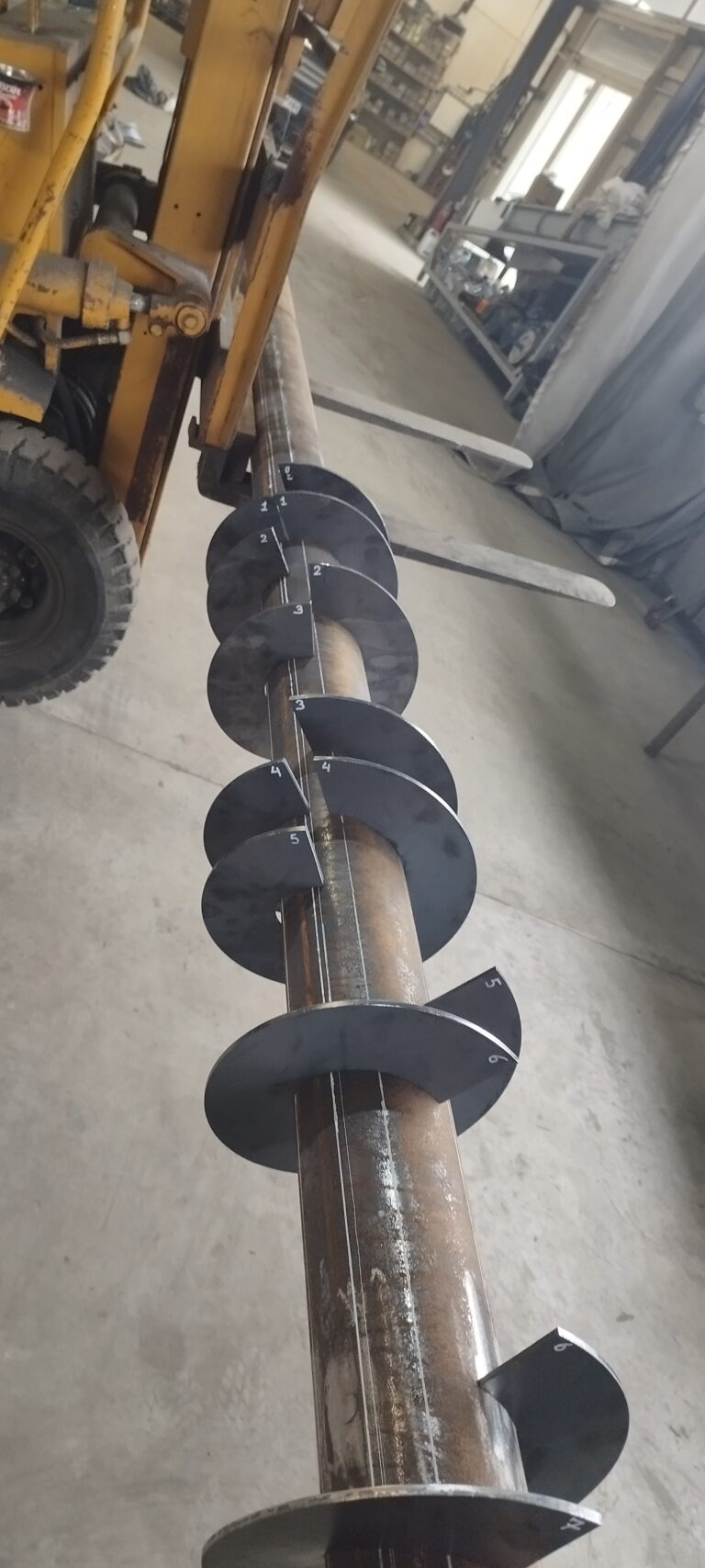
- Checking the wear of the screw flight, chain, buckets and belt.
- Replacing worn parts during a planned shutdown, before they fail.
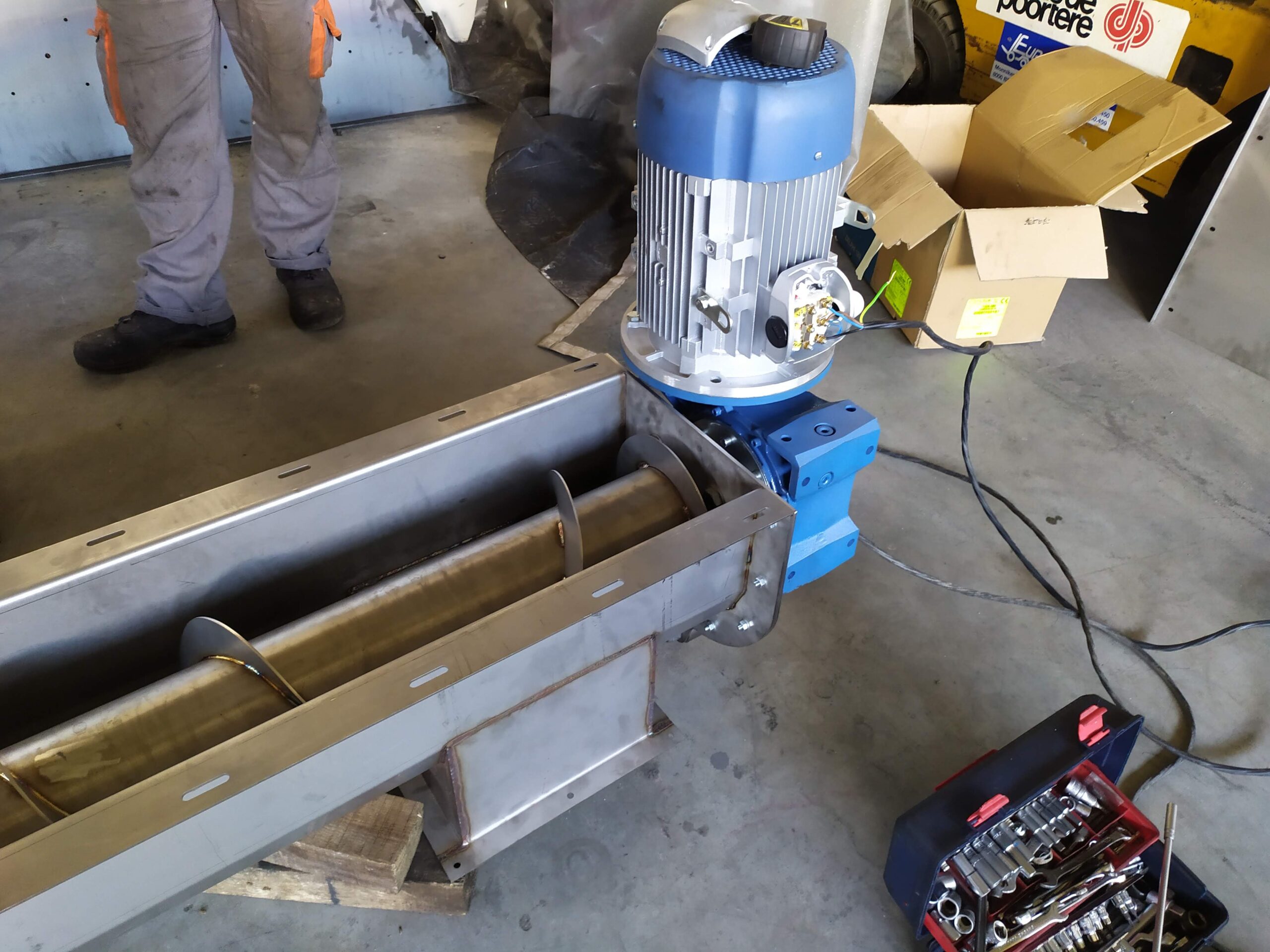
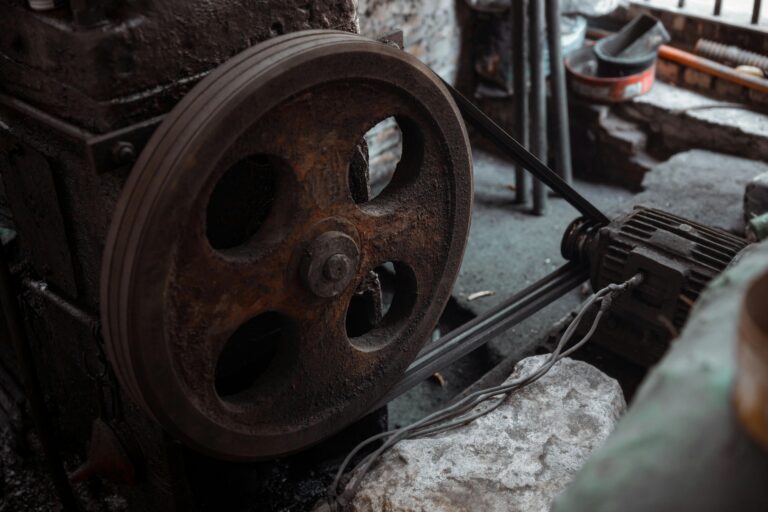
Screw conveyor drive
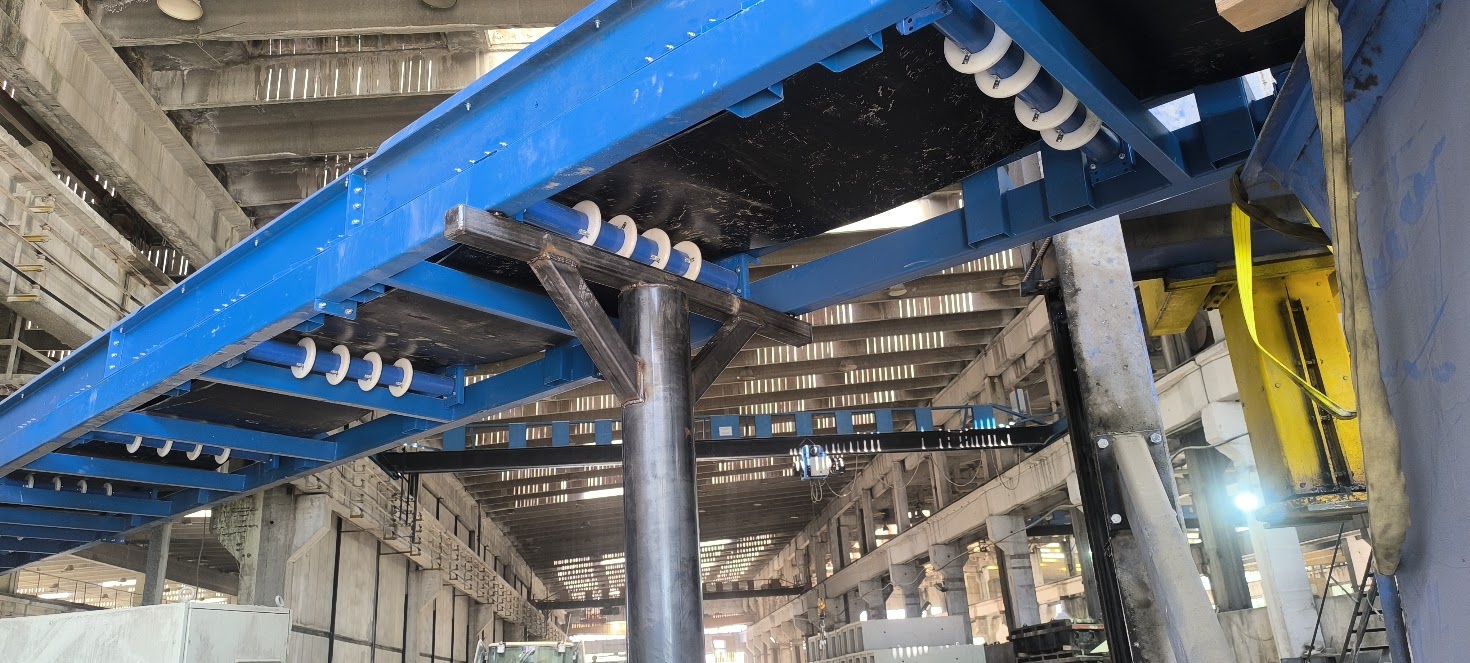
Belt conveyor rollers
2. What an emergency repair costs
In a breakdown you pay for more than the repair. You also pay for the lost production, the people waiting, urgent delivery of parts, overtime and often damage to other parts – for example a broken screw flight that has also damaged the casing. The biggest share is usually the downtime.
3. Example calculation
Assumptions (illustrative only): a line with 6 conveying machines; one hour of downtime costs the plant €400 in lost output and labour; with the emergency approach there are 4 breakdowns a year, each with 10 hours of downtime; with planned maintenance there is 1 breakdown a year with 4 hours of downtime, and parts are replaced during planned shutdowns, when the line is stopped anyway.
| Emergency repairs only | Planned maintenance | |
|---|---|---|
| Downtime | 4 × 10 h = 40 h | 1 × 4 h = 4 h |
| Cost of downtime (€400/h) | €16,000 | €1,600 |
| Parts and repairs | €8,000 (urgent delivery of parts and damage the breakdown causes to other parts of the machine) | €6,000 |
| Inspections and maintenance labour | – | €3,000 |
| Total per year | €24,000 | €10,600 |
The figures are illustrative. For your production line, use your own cost per hour of downtime and your own number of breakdowns – the difference usually stays in favour of planned maintenance, because downtime is the largest cost.
4. What to check and when
| When | What to check |
|---|---|
| Every day, during the round | noise, vibration, material leaks, heating of bearings and geared motors |
| Every week | belt or chain tension, lubrication according to the instructions, condition of the seals |
| During a planned shutdown | thickness of the screw flight and casing, wear of the chain and paddles, buckets and their bolts, pulleys and rollers |
5. Where to start
- Carry out a general inspection of the conveying machines together with the manufacturer or service provider and see which parts are close to replacement.
- Plan the replacement of these parts for the annual overhaul or another planned shutdown of the production line.
- For the machines the whole line depends on, order the parts that are made to size in good time.
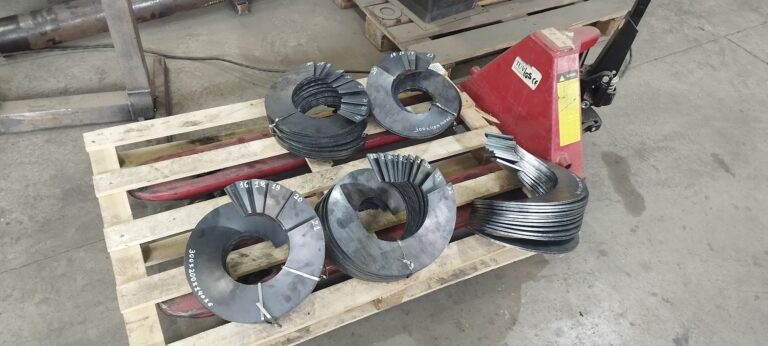
We can inspect the machines and make the wearing parts. Machines and parts are shipped from Bulgaria across Europe.